


The ketogenic diet has become extremely popular in recent years, and for good reason.It really works!We share the pros and cons of the diet and, of course, we talk in detail about the keto nutrition system.
What is the keto diet to lose weight?
A proper ketogenic diet has two basic rules.The first is to increase high-fat foods in the diet and the second is to minimize carbohydrate foods.The essence of the ketogenic diet is the active burning of fats in a state of ketosis.A special eating plan causes the body to produce molecules called ketones.Eliminating carbohydrates from the diet causes the body to begin looking for alternative fuel.The choice falls on the accumulated fat.This process is called ketosis.
In this state, the metabolism accelerates faster and burns calories more actively.As a result, excess weight is lost in a short time without losing activity or mental clarity.The main goal of the ketogenic diet is to achieve ketosis.To do this, a person needs to reduce their carbohydrate intake.In the absence of the necessary amount of carbohydrates, the body switches to fats.And as a result, accumulated fat becomes the main source of energy and fuel.
During the period of ketosis, attention increases, appetite decreases, and energy increases.It usually takes about three days after starting the ketogenic diet to enter ketosis.To fully adapt to the ketogenic diet, it is necessary to endure at least a few weeks.
Advantages of the ketogenic diet
The ketogenic diet is a great option for women who want to lose weight once and for all.According to some studies, the ketogenic diet not only helps you lose weight, but also has a positive effect on various health indicators.Here are the main ones:
- Weight loss.
- Reduce intestinal disorders.
- High concentration.
- Normalization of blood sugar levels.
- Restore the body's healthy sensitivity to insulin and therefore prevent the development of diabetes.
- Normalization of appetite due to lower blood sugar levels.

Cons of the ketogenic diet
Of course, any diet, including the ketogenic diet, has its contraindications.It is important to consult with a medical professional before starting.Only a specialist will be able to determine individual contraindications and possible side effects.
What are the disadvantages of the keto diet from a medical point of view?This is a question that novice users of the popular diet constantly ask themselves.This point cannot be ignored.After all, before starting a weight loss course, you should know all the disadvantages of ketogenic nutrition.
- There is no information on serious long-term side effects.What will happen to the body in 10 years?Will you suddenly gain weight again?Scientists do not know the answer because many questions remain open, since there are no expert studies yet.
- Possibility of “keto flu.”Some of those who tried the ketogenic diet experienced an unpleasant condition that was symptomatically reminiscent of the common flu.At the same time, keto flu is a transitional state that disappears after a period of adaptation of the body.Common symptoms of keto flu include fatigue, dizziness, sleep disturbances, constipation, and weakness.When does this condition happen?There is no clear answer.Some people recover in a few days, while others recover in a few weeks.During the keto flu period, it is recommended to periodically consult a doctor.
- Change in bad breath.When the body enters a state of ketosis, the breath begins to smell like acetone due to the breakdown of acetoacetic acid.How to solve the problem?You need to drink more water.
- Fatigue at first.The brain runs on glucose (a simple form of carbohydrate).When you eliminate carbs, your body becomes depressed.In the first few weeks you will experience difficulty understanding and headaches.For this reason, the ketogenic diet is not recommended for people who suffer from anxiety or depression.
- Reduce the proportion of vegetables and fruits in the diet.During the ketogenic diet, you should limit your intake of fruits and vegetables.And obviously, at first the body will rebel, because fiber, vitamins, minerals and other beneficial substances contained in fruit and vegetable dishes are extremely important to it.In addition, the lack of fiber in the menu causes constipation.
Ketogenic diet: doctors' opinion

Doctors believe that the ketogenic diet may be beneficial.First of all, those who experience problems associated with high blood sugar levels and insulin surges.During the ketogenic diet, glucose levels normalize.Plus, a low-carb diet helps you lose weight.
On the other hand, the ketogenic diet (especially at the beginning) places a great burden on the body.Low glucose levels can affect your overall performance.There are also a number of contraindications.The ketogenic diet is prohibited:
- people with chronic kidney and liver diseases;
- pregnant and lactating women;
- suffers from alcoholism;
- If you are taking certain medications on an ongoing basis, you should consult your doctor before starting the ketogenic diet.
Doctors note that some may feel very weak after intense workouts on the ketogenic diet.Therefore, you should abandon the ketogenic diet or choose a physical activity that consumes less energy.
In the end we want to repeat: any diet has contraindications.To determine your individual risks, you should consult your doctor and undergo a series of tests.Only then will you know if the diet is right for you or not.
What to eat on a ketogenic diet
Is the ketogenic diet anti-nutritious?Not precisely.With ketogenic nutrition, you prepare meals that include natural foods that are low in carbohydrates, moderate in protein, and rich in healthy fats.For example, the ideal dinner on a ketogenic diet is turkey with vegetables, dressed with butter.It's simple.
The ketogenic diet is a diet with a minimum amount of carbohydrates.This is true.But to be fair, we note that you do not completely eliminate carbohydrates from your life.After all, otherwise your body simply would not be able to adequately tolerate physical and intellectual stress.And yes, consuming a minimum amount of carbohydrates is difficult.But it is important to remember: as soon as your body gets used to this menu, you will feel good.
The ketogenic diet involves controlling the amount of carbohydrates on the menu every day.Choose low-carb foods and stay within your daily limit of 50 grams of carbs per day.
Ketogenic Diet: Complete Product List
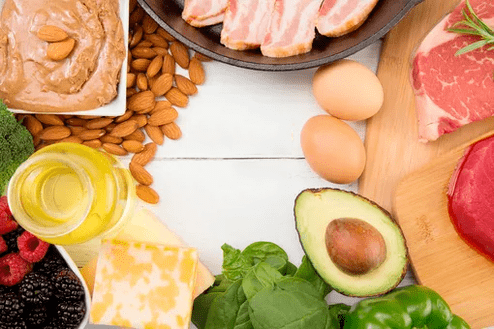
What you can eat on the ketogenic diet:
- any meat, including pork, lamb and duck;
- seafood, including shrimp, squid, and fatty fish;
- dairy products, including cheeses, heavy cream, butter, and sour cream;
- nuts, including Brazil nuts, macadamia nuts and hazelnuts;
- vegetables, including asparagus, broccoli, tomatoes and cucumbers;
- fruits, including raspberries, avocados, plums and lemons;
- Beverages include only dietary options such as tea, coffee or mineral water;
- To survive sugar withdrawal, use natural sweeteners like stevia.
What not to eat on the ketogenic diet:
- sausages with high sugar and nitrate content;
- low-fat dairy products;
- carbohydrate-rich vegetables such as sweet potatoes, potatoes or corn;
- fruits rich in carbohydrates, such as apples, bananas, pears and peaches, and nuts;
- sugary drinks and alcohol;
- refined sugar, honey and maple syrup;
- store-bought sweet sauces and ketchup;
- Any type of cereal should also be avoided.
Weekly menu for the keto diet

To follow the ketogenic diet, you must create a menu for each day and follow it.Without clear planning, you will find it difficult to come up with dishes.We have prepared a ketogenic diet menu for a week for women.Use it!
The ketogenic diet is all about carbohydrate balance.The menu for women, which we invite you to try, takes this point into account and is suitable for losing weight.
On the ketogenic diet, the optimal daily calorie intake is 1600 calories per day.Of them, up to 100 grams of protein, up to 25 grams of carbohydrates and up to 125 grams of fat.
Monday
- Breakfast: omelet with bell pepper.
- Lunch: grilled salmon with broccoli.
- Dinner: soup with vegetables and meatballs.
Tuesday
- Breakfast: low-carb pancakes.
- Lunch: vegetable and tuna salad.
- Dinner: baked turkey and roasted vegetables.
Wednesday
- Breakfast: scrambled eggs.
- Lunch: turkey and vegetable salad, dressed with oil.
- Dinner: a cheeseburger without bun.
Thursday
- Breakfast: fatty cottage cheese with fruit.
- Lunch: vegetable and chicken salad.
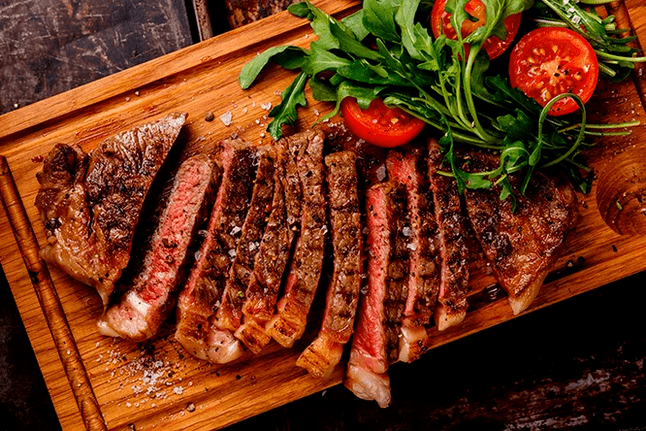
- Dinner: grilled pork steak and salad with vegetables and avocado.
On the ketogenic diet, the optimal daily calorie intake is 1600 calories per day.
Friday
- Breakfast: vegetable and avocado salad with salmon.
- Lunch: fried chicken.
- Dinner: Baked pork with broccoli and cheese.
Saturday
- Breakfast: a handful of walnuts.
- Lunch: beef stew with vegetables.
- Dinner: bagel with cucumber pate and smoked salmon.
Sunday
- Breakfast: omelet with fresh avocado.
- Lunch: fried chicken and a cup of steamed broccoli.
- Dinner: Grilled salmon with broccoli.
Calories on a ketogenic diet
To lose weight on a ketogenic diet, you must first consider the proportion of organic substances in food.Of course, if your main goal on the keto diet is to lose weight, then counting calories is essential.But remember the quality of the calories:
- Get 60% to 75% of your calories from fat;
- Get 15-30% of your calories from protein;
- 5 to 10% of calories come from carbohydrates;
Many people believe that it is better to focus on the feeling of hunger.From time to time, this rule will work, because low-carbohydrate diets reduce appetite.And it arises only when a person really wants to eat.

Although cutting carbs will reduce your daily calorie intake, check in with yourself and count your calories.Don't forget that fatty foods are also very high in calories.And if you regularly overeat your daily caloric intake, you may not lose weight, but, on the contrary, gain weight.Even in a state of ketosis.At the end of the day, the fundamental rule of calories still applies.
If you regularly overeat your daily caloric intake, you may not lose weight but, on the contrary, gain weight.
Where to buy the ketogenic diet
Keto Diet for weight loss is available in capsules that are added to the diet as a dietary supplement.The capsules contain natural ingredients that reduce appetite and speed up metabolism.The result is weight loss in a short time.To lose weight it is necessary to take capsules in a course.
It is almost impossible to find the product in regular pharmacies: the food supplement is sold through official suppliers.Like medications, you should take nutritional supplements after consulting your doctor.He will tell you if you have individual contraindications for use.
Ketogenic diet: opinions and results
After the onset of ketosis, users felt a surge of energy, rather than heaviness and fatigue.Some users experienced keto flu within the first week.They had all the usual symptoms: nausea, irritability and dizziness.People who switch from a high-carb diet to a ketogenic diet are especially susceptible to the flu.To survive the adaptation period without complications, it is necessary to gradually limit yourself in carbohydrates.
The main advantage of the diet is that you do not go hungry.Of course, the ketogenic diet is difficult to get used to because of the reduction in carbohydrates, but the diet really works.In this case, the weight does not decrease sharply, but gradually.This means that once the diet is completed, the lost kilograms will not return.If, of course, you stick to your daily calorie intake.
Ketogenic diet: how many kilos can you lose in two weeks?The ketogenic diet is effective for losing weight.On the forums, users willingly share the results of ketogenic nutrition.In two weeks you can get rid of 4-5 kilograms.Of course, it all depends on the initial data.And don't forget that the ketogenic diet should be combined with comfortable workouts.